
Fuck You. Are Professional Communicators Falling Down on the Job?
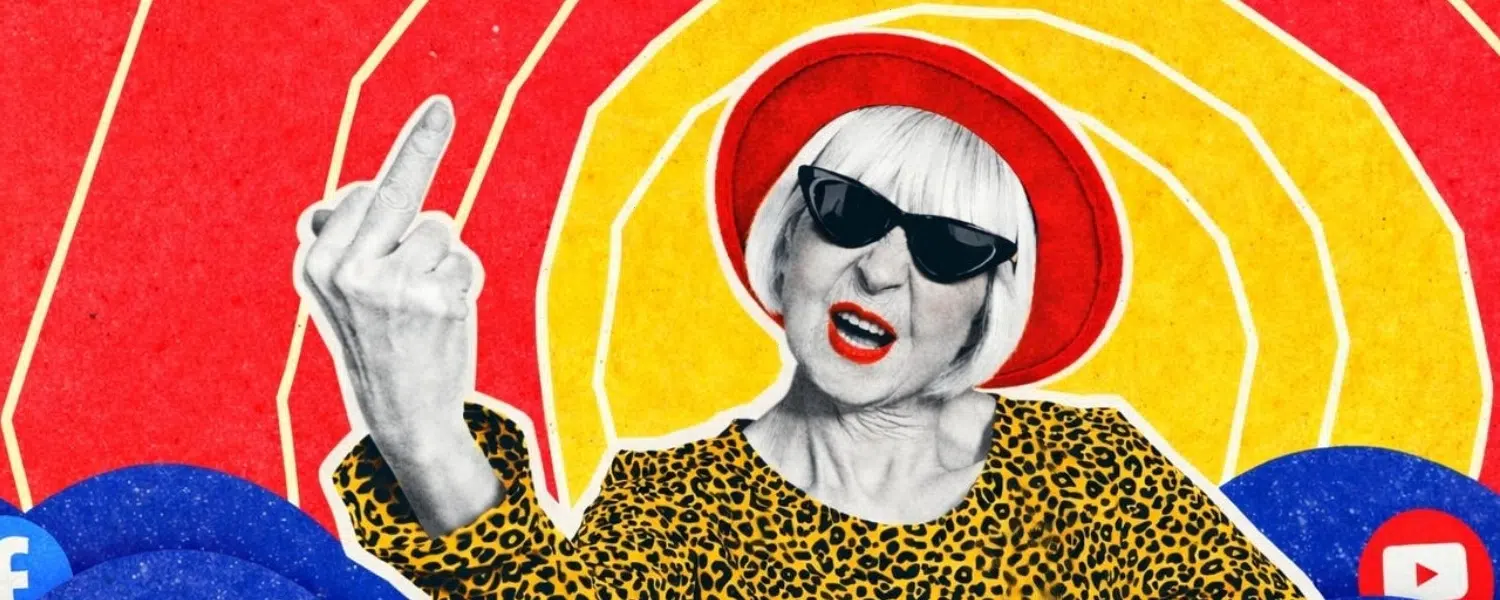
Two words. Accidentally sent. Big impact.
Angus Council have been in the news this week because of those two little words.
Some (careless) comms professional just doing their day job was clearly exasperated about having to repeatedly and laboriously respond politely to every minor gripe the public throws at them on social media. They chucked those two words onto the end of their response in what was clearly a fit of pique, then clearly forgot to delete them. And pressed submit instead.
Fuck.
Now the Council has apologised and the human being is being dealt with “appropriately”.
Does that mean they are royally fucked? Probably.
Those two words, though, should serve as a glaring flashing light to those in charge. How much pressure must your front line communications professionals be under to even type it in the first instance?
Social media has changed the game for communications professionals over the last two decades and, while we may be in the best position to pen responses and moderate diplomatically, it would do managers good to also remember that they still have a duty of care to their employees which includes their mental health.
I’ve sat on the front line of that very social media screen, and had to pen justification after justification for someone else’s decision who is not bearing the brunt of facing the music. Again, and again, and again. It’s exhausting. It’s like being poked, at speed, by thousands of tiny mental swords where the aggression is real, and the fight or flight response is just as real and unavoidable.
Death threats. Rape threats. Shouting. Arguing. Mocking. Screaming. Demanding immediate answers. Getting told you are stupid, useless or worthless. Dick pics in direct messages. Dogging videos. Getting told you are not listening, when you clearly are, because you are responding directly to them. Getting called a bitch, a bastard, or worse. Ask any comms professional who covers any level of organisational social media response and they’ll all tell you: this is normal.
Except, it’s not normal. We’re just accepting it is.
Just because something is happening digitally, and daily, doesn’t mean it’s not really happening. There are human beings at either side of this digital communication loop. And one half of the loop is grossly under-protected, mentally speaking.
It’s the mental equivalent of sending your comms professionals out on the street to face a crowd of angry citizens, all baying for blood, and then forcing them to respond to each and every single one of them individually, and calmly.
HR would string you up as a manager if you did that. But behind a screen is different, right?
Wrong.
Last year the CIPR reported that 91% of PR professionals experienced poor mental health at some point in the past year, with 58% citing workload stress as a significant contributing factor.
91%. Let’s think about that for a minute.
If 91% of your workforce was reporting poor physical health as a direct result of their working conditions, the Health and Safety Executive would be firing up an investigation tout de suite.
Mental health, though? Yeah, nothing to see here. Toughen up. Type “fuck you” after your response, just remember to delete it before you press send. Expend the rage and the fear. Just don’t show it.
Setting aside that our legal system is not really geared up for this new world order, when organisations are subjecting their employees to a constant barrage of online rage, where’s the mechanisms for mitigation?
We’re way past the notion that social media is a junior role, particularly in any organisation that interfaces directly with the public. And we know it takes more than a few minutes out of communicators days. But are we adequately positioned to properly support our people? Are there counselling services on hand? Are people rotated regularly in that role so that they don’t get overwhelmed? Are there mechanisms in place to review responses before they go out?
I expect the answer to all of these is: Probably Not.
But it matters. Because, as communicators, we deal with things that can be genuinely traumatic. We need a support system behind us that can help us process the utter depravity that is out there.
If you think I’m over-exaggerating, here’s just some of things I had to watch, see, or read about in the course of my job just in the last twelve months:
- A video of a couple dogging in a car park at a client’s premises that had gone viral on TikTok.
- A dick pic in my work inbox.
- A paedophile witch hunt on the internet, complete with detailed descriptions of what the person was alleged to have been doing.
- An incident involving a member of the public brandishing a knife and threatening to kill themselves.
These are, sadly, no longer rare occurrences. And comms professionals and operations teams are on the front line dealing with these. The pressure to get it right, each and every time, is immense.
While “Fuck You” made the headlines in this instance, and it’s the perfect British response to a big entity fucking up and being brought down a peg or two, there’s a human being at the centre of this story.
A human being who felt so exasperated in their role, they messed up.
The real story, which the media are not as interested in, is why it happened. They think they know. That it’s somehow a wee mistake in the big scheme of things.
There was a brilliant film in the 1990s called Falling Down in which Michael Douglas, a calm, collected career professional loses his shit in a traffic jam and proceeds to rampage through his journey home to his little girl’s birthday party. It’s an epic tale of what happens when the pressure is just too much. When trying to just get through the day becomes a battle of epic proportions. That Douglas is experiencing a psychotic break with reality is without question. But all those teeny tiny pressures? That’s what breaks him. The traffic jam not moving. The aircon not working. The fast food restaurant not serving breakfast 3 minutes after the cut off time. Sheer, utter, indignant frustration.

When 91% of the communications workforce are reporting an issue, it’s a serious problem. Communicators are notoriously calm under pressure. If we’ve reached the point where “Fuck You” is being published, it’s safe to say that the system is falling down. It really needs fixed.
There’s more where this came from. I share more of my thinking on Cunningly Good Marketer on Substack. Subscribe to get my opinions, experience and real-world lessons straight to your inbox.


