
The Great Easter Egg Heist

History is littered with great heist stories. The great train robbery. The Antwerp diamond heist. The Lufthansa heist.
These amazing feats are lauded in films portraying these everyman outwitting cutting edge security or overcoming the system and getting away with it. The modern-day Robin Hoods. Robbing the rich, giving to the poor. Sort of.
Fast forward to 2026 and we have a pending Easter Egg Heist in play.
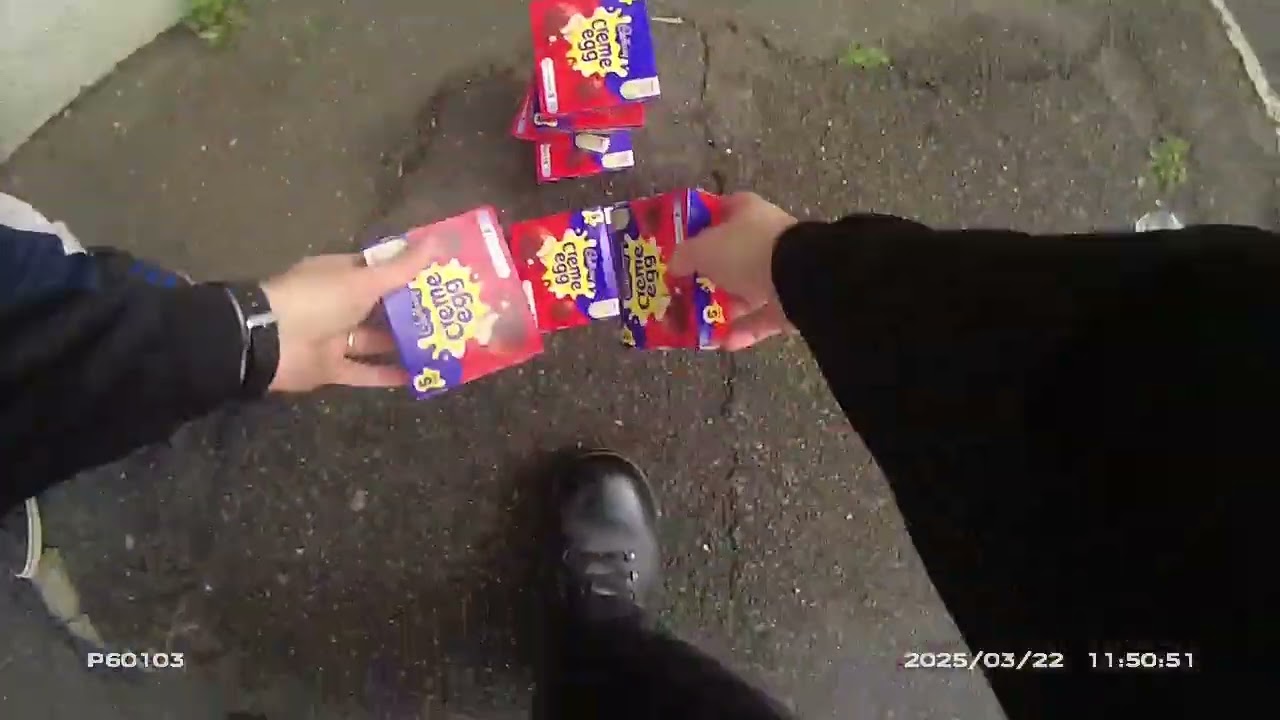
Tesco in the UK has wrapped up their Easter Eggs in plastic safety boxes to stop said heist in its tracks. Robin Hood is clearly done with robbing trains and banks, and it’s chocolate bars and Easter eggs we’re after instead.
What kind of modern Les-Miserables-style chocolate plot have we found ourselves in?
Will the retailers FOIL these thieves (sorry, couldn’t resist that one) and win the day?
Does Willy Wonka know and what is he doing about this?
Will a Mars a day help the thieves work, rest and play?
Joking aside, there’s a murkier side to this.
Retailing is now way past retailing, in the traditional sense.
Retailing used to be about professional merchandising, enticing window displays, and encouraging the customer to buy. Especially the last bit.
Shops were inviting, and exciting. Shopping was fun and joyful. Shopping malls were meccas of consumerism. Pilgrims flocked to stores in their thousands. Shops competed to get share of wallet.
For those that are too young to remember, that was back in the days where we had this thing called “disposable income”. Before the price of everything had gone through the roof, and governments started plundering our hard-earned wages for more taxes to cover the costs of inefficiencies in their systems. Before, when we had leisure time, instead of three low-paying jobs, or no paying jobs. Those days were great.
Now when you go shopping it’s about product protection, loss prevention, security guards and making it harder for the customer to leave.
The days of retailers convincing the consumer to buy appear to be long gone. Now we have giant ugly warehouses with car parks adjacent that taunt the proletariat with their overpriced products, and follow us around on a series of cameras to make sure we’re not absent-mindedly stuffing Lindt Chocolate Easter Bunnies into our puffer jacket pockets.
It’s about awkward store layouts and security tags on products. It’s about store staff that are watching your every move, and have no interest in helping you find what you are looking for.
If you are unlucky enough to be forced into using one of their self-service tills, you can brace yourself for being repeatedly held to account by an annoying machine for not putting the item in the bag. Please. Put the fucking item in the bagging area. For the love of God.
Heaven forbid that your bag weighs more than it should. Then you can rely on a member of staff coming over to manually verify that the product is there or that you’re old enough to be allowed it. You may own your own house, and have driven to the store, but you still need your age to be verified when you fancy a bottle of wine with your ready-made lasagne.
Self-service checkouts are akin to navigating the red customs lane in an airport. They are not fun, they take more time, and they ruin your trip.
I recently visited Asda. The man on the checkout was cheerful, but I won’t be hurrying back. There were security barriers to stop you getting into and out of the store. Meat was wrapped in security netting with tags. Bottles and bottles of booze stood proudly on shelves with security capes shrouding their necks. Products were displayed on shelves suspended in plastic security boxes. I jokingly mentioned to my husband that it was like shopping in a maximum-security prison.
Has society so materially changed in the last 20 years that we are having to police food? All food?
Are retailers now less about the re-tailing of products now and more about the tailing of their potential purchasers?
Will Hugo-esque chain gangs be next? Prisoner 24601, reporting for duty.
There’s a real cognitive dissonance from the marketing efforts of household brands creating consumer demand for products that humans, apparently, can now only afford to steal.
I’m not saying that theft isn’t an issue for retailers. It really is. I’ve worked in retail. I’ve stopped shoplifters in action. Shoplifters are quick, they are smart, they are organised, and they are masters of distraction. There’s an audacity to shoplifting to order that is much more diamond heist than a starving Jean Valjean.Theft doesn’t feed thepoor, it funds a lifestyle. But the beneficiaries of theft to order are usually those who can’t afford the retail prices. It’s often a Robin Hood style act, except there’s no giving to the poor but selling it to them at a more affordable price – an ironic win/win for the thieves and the purchasers.
Is the answer to treat everyone as if they are a criminal cocoa mastermind?
Were chocolate bars of any interest to the thieves before these “wee treats” became ridiculously expensive?
If the average human is commenting publicly on the price, the marketing strategy has gone wrong somewhere along the line. Price should not be a barrier to purchase for Cadburys whose parent company made a cool few billion dollars net profit last year.
Is it time for marketers to crack open their Pricing mechanism and take a long hard look at their mix? Quite possibly it is.
Because if low cost, fast moving consumer goods need to be held under lock and key in your average grocery store, then something is far wrong with your mix.
There’s more where this came from. I share more of my thinking on Cunningly Good Marketer on Substack. Subscribe to get my opinions, experience and real-world lessons straight to your inbox.


